
The Allure of Risk in Gambling
The innate human attraction to risk is a fundamental aspect of decision-making in high-stakes casinos. For many, the thrill of potential loss or gain activates a pleasurable rush, driven by the brain’s reward systems. This sensation can lead to a desire for immediate gratification, making high-stakes gambling an appealing venture. The lights, sounds, and atmosphere of a casino amplify this experience, creating an environment where decisions feel exhilarating. In this context, many individuals enjoy engaging in sport betting as a complementary activity to traditional casino games.
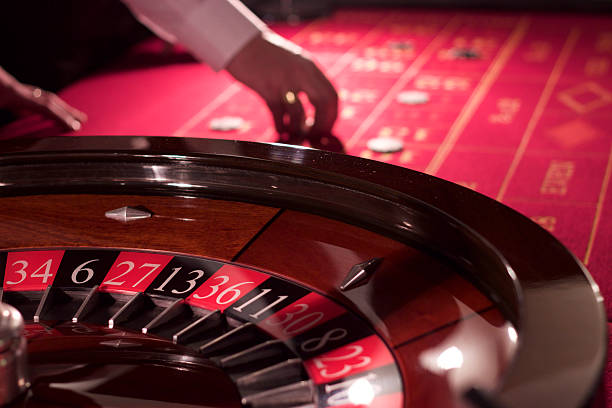
Moreover, the perception of risk often skews individuals’ judgments. Gamblers may overestimate their chances of winning due to cognitive biases, such as the illusion of control, where they believe they can influence the outcome of random games. This psychological phenomenon further entices players to take high-stakes gambles, often resulting in rationalizations that verge on denial of the odds they face.
Emotional Factors Influencing Decisions
Emotional states play a significant role in the decisions made within a casino. High-stakes gamblers often experience a potent mix of excitement and anxiety. This duality can lead to impulsive decisions that are rooted more in emotion than in rational thought. When emotions run high, such as during a winning streak or a painful loss, players might find themselves making larger bets than they initially intended. These unknown emotional triggers can transform a simple game into a rollercoaster of highs and lows.
Additionally, emotional attachment to past experiences can heavily influence future decisions. For instance, a player who has experienced a significant win may chase that high by risking more than they can afford. The compulsion to recreate that euphoric moment can cloud judgment, leading to a cycle of behavior that ignores the long-term implications of their gambling decisions.
The Role of Social Influence
Social dynamics significantly affect gambling behavior in high-stakes environments. Peer pressure and the presence of fellow gamblers can amplify risk-taking tendencies. In a group setting, individuals often elevate their bets to match the perceived bravado of others, compelling them to make decisions they might not consider alone. This phenomenon can lead to a competitive atmosphere that encourages reckless betting.
Additionally, casinos encourage this social interaction through various marketing techniques and loyalty programs. Gamblers are often persuaded by the shared excitement and camaraderie of others around them, reinforcing the notion that high-stakes decisions are not only acceptable but celebrated within certain circles. This social endorsement can lead to larger bets and increased risk-taking among participants, further intertwining psychology with gambling culture.
The Impact of Cognitive Biases
Cognitive biases deeply influence the decision-making processes of high-stakes gamblers. One of the most prevalent biases is the gambler’s fallacy, where players believe that past independent events affect future outcomes. For example, a player might think that because the roulette ball landed on red several times in a row, black is “due” to occur. This misconception can lead to illogical betting strategies and significantly impact their financial outcomes.
The availability heuristic also comes into play; gamblers may recall recent wins more vividly than losses, skewing their perception of success rates. This leads to an inflated sense of confidence in their abilities and decision-making processes, encouraging further high-stakes bets despite the real statistical likelihood of losing. Understanding these cognitive biases is crucial for recognizing how they shape gambling behavior and influence the choices made in a casino setting.

Security and Responsible Gaming
As casinos recognize the psychological factors that come into play, they are increasingly committed to promoting responsible gaming practices. This includes establishing clear protocols to ensure that players can make informed decisions without falling prey to the emotional and cognitive traps that often accompany high-stakes gambling. Enhanced security measures are also pivotal in safeguarding personal and financial information, allowing players to focus on their game without fear of online threats.
Platforms often implement various strategies, such as self-exclusion programs and reality checks, to encourage gamblers to remain aware of their spending and emotional states. By fostering a safe environment backed by advanced security technology, casinos can contribute to a healthier gambling culture while still catering to the thrill of high-stakes risks.
